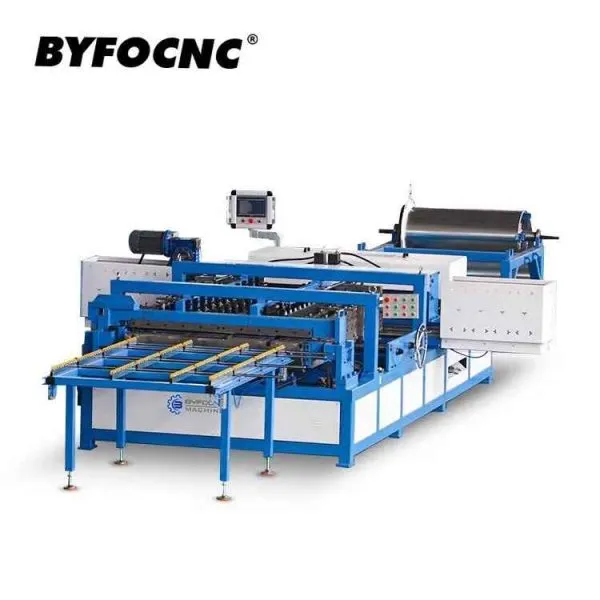

In modern industrial production, the selection of mechanical equipment is crucial. The efficient operation of equipment can not only improve productivity, but also effectively reduce costs and ensure product quality. Among many industrial equipment, rotary machines and coil machines are two types of equipment widely used in different industries. Although their names sound similar, they are very different in working principles, application fields and technical requirements. In order to help you better understand these two devices and make the right choice, this article will analyze in detail the characteristics, differences and applicable scenarios of rotary machines and coil machines.
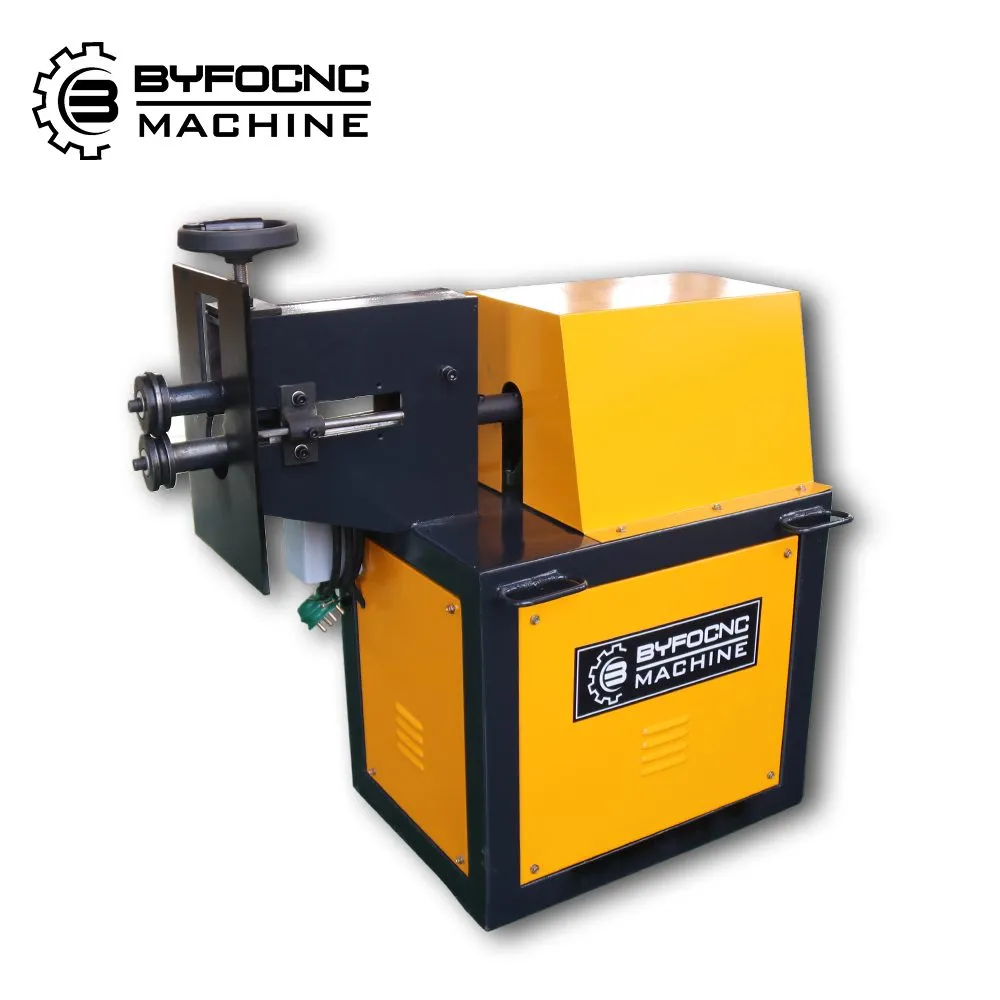
Basic concepts and applications of rotary machines
A rotary machine is a mechanical device that uses rotating parts to complete specific work tasks. Its core feature is to process fluids (such as gas or liquid) through rotational motion, and is widely used in compression, transmission, mixing and other scenarios. The operating principle of the rotary machine is based on the compression, absorption or delivery of fluids by rotating parts (such as rotors or blades). Due to its simple structure and smooth operation, it can play an important role in many industrial fields that require long-term continuous work.
Common types of rotary machines include:
Rotary compressors: widely used in air conditioning, refrigeration, freezing and other systems, and compressing gas to increase the pressure and temperature of the gas. Rotary compressors are suitable for those occasions that require stable airflow and efficient pressure control.
Rotary pumps: This type of equipment uses rotating parts to transport liquids to where they are needed. Industries such as petroleum, chemical, and food processing often require this type of pump to handle large amounts of liquids.
Rotary fans: Commonly found in ventilation equipment and cooling systems, they help to efficiently transport air or gas.
The advantages of rotary machines are their efficiency and stability. Rotary machines can continuously and stably handle large flows of high-pressure gas or liquid, and are not easily affected by factors such as material viscosity, so they can provide efficient and continuous work. For industrial occasions that require long-term stable operation, the durability of rotary machines is also a highlight.
Basic concepts and applications of coil machines
Coil machines are mechanical equipment specifically used to manufacture electromagnetic coils. It mainly controls metal wires (such as copper wires, aluminum wires, etc.) to be wound into electromagnetic coils that meet the requirements, and is widely used in the production of motors, transformers, electrical appliances and other products. The coil machine tightly winds the metal wire into a coil through a winding system, which has a vital impact on the performance of electrical equipment.
The main application areas of coil machines include:
Motor manufacturing: The working principle of the motor relies on electromagnetic induction, and the coil machine is used to produce the stator coil and rotor coil in the motor. By accurately controlling the number of layers, tightness and current flow of the coil, the stable operation and high efficiency of the motor are ensured.
Transformer production: The function of the transformer is to transmit and convert electric energy, and the coil machine is used to wind the primary and secondary coils of the transformer. The quality of the coil directly affects the electromagnetic properties of the transformer, so the precision requirements of the coil machine are very high.
Home appliance manufacturing: Many home appliances (such as air conditioners, refrigerators, TVs, etc.) involve the use of electromagnetic coils, and the coil machine plays an indispensable role in the production of these products.
The biggest feature of the coil machine is its strict requirements on precision. The winding quality of the electromagnetic coil is not only related to the normal operation of the equipment, but also directly affects the energy efficiency and safety of the product. Therefore, the coil machine needs to be equipped with a high-precision automatic control system to ensure the winding accuracy and consistency of each coil.
The main difference between the rotating machine and the coil machine
Although the rotating machine and the coil machine are both mechanical equipment, they are essentially different in working principles, application fields, technical requirements, etc.
Differences in working principles
Rotary machines: Rotary machines process gas or liquid through rotating parts (such as rotors, blades, etc.). Its core function is to compress, transport or mix fluids, and is usually used in scenarios where continuous flow of gas or liquid is required.
Coil machines: Coil machines wind metal wires into coils through a high-precision winding system. Its working principle is to wind electromagnetic coils into a specific shape and density for the manufacture of electrical equipment.
Differences in application areas
Rotary machines: Mainly used in fluid processing, pressure control and other fields, such as air-conditioning systems, refrigeration equipment, petrochemical industry, etc.
Coil machines: Mainly used in the production of electrical equipment, such as motors, transformers, household appliances, etc.
Differences in design and structure
Rotary machines: The structural design of rotary machines is relatively simple, mainly consisting of rotating parts, sealing systems and drive devices, and is suitable for handling fluids with large flow and high pressure.
Coil machines: The design complexity of coil machines is relatively high, usually involving multiple components such as automatic control systems, tension control devices, wire guide systems, etc., and is specifically used for fine winding work.
Differences in precision requirements
Rotary machine: The main goal of a rotary machine is to efficiently and stably transport and process fluids. The precision requirements are relatively low, and more attention is paid to the control of flow and pressure.
Coil machine: The coil machine has extremely high requirements for precision, because the winding precision of each layer of coil will directly affect the electromagnetic performance of the equipment, and precision control is its most critical technical parameter.
Differences in maintenance and care
Rotary machine: The maintenance of a rotary machine mainly includes regular inspection and lubrication of rotating parts to ensure the normal operation of the sealing and transmission system.
Coil machine: The maintenance of a coil machine focuses more on the adjustment and detection of the winding system to ensure that the winding quality of each coil is not affected and to avoid production defects caused by equipment precision problems.
How to choose the right equipment?
Whether to choose a rotary machine or a coil machine should first be determined based on your specific needs. If you are engaged in fluid handling work that requires large flow and long-term operation (such as refrigeration, air conditioning, petrochemicals, etc.), a rotary machine will be the best choice. If your production involves the manufacture of electrical equipment such as motors and transformers, especially the process of precisely winding coils, then the coil machine is undoubtedly the most suitable choice.
In addition, you need to consider the following factors:
Production scale and automation requirements: Large production lines may require equipment with a higher degree of automation.
Precision requirements: For electromagnetic coils with high precision requirements, coil machines are the best choice.
Budget and post-maintenance: Choose the right equipment based on the budget and the complexity of post-maintenance.
Rotary machines and coil machines have their own characteristics, and each plays an irreplaceable role in different industrial fields. Through in-depth analysis of the two, we can more clearly understand their respective advantages and limitations, helping you make a more informed choice in actual production. Whether it is fluid processing or precision production of electromagnetic coils, choosing the right equipment can effectively improve production efficiency and product quality, and ensure the long-term development of the enterprise. I hope that through this article, you can have a more comprehensive understanding of the difference between rotary machines and coil machines, make the most suitable choice, and provide the most suitable mechanical support for your production line.